
Keynote-Speaker
Erfahren Sie mehr über die Speaker, die Sie erwarten
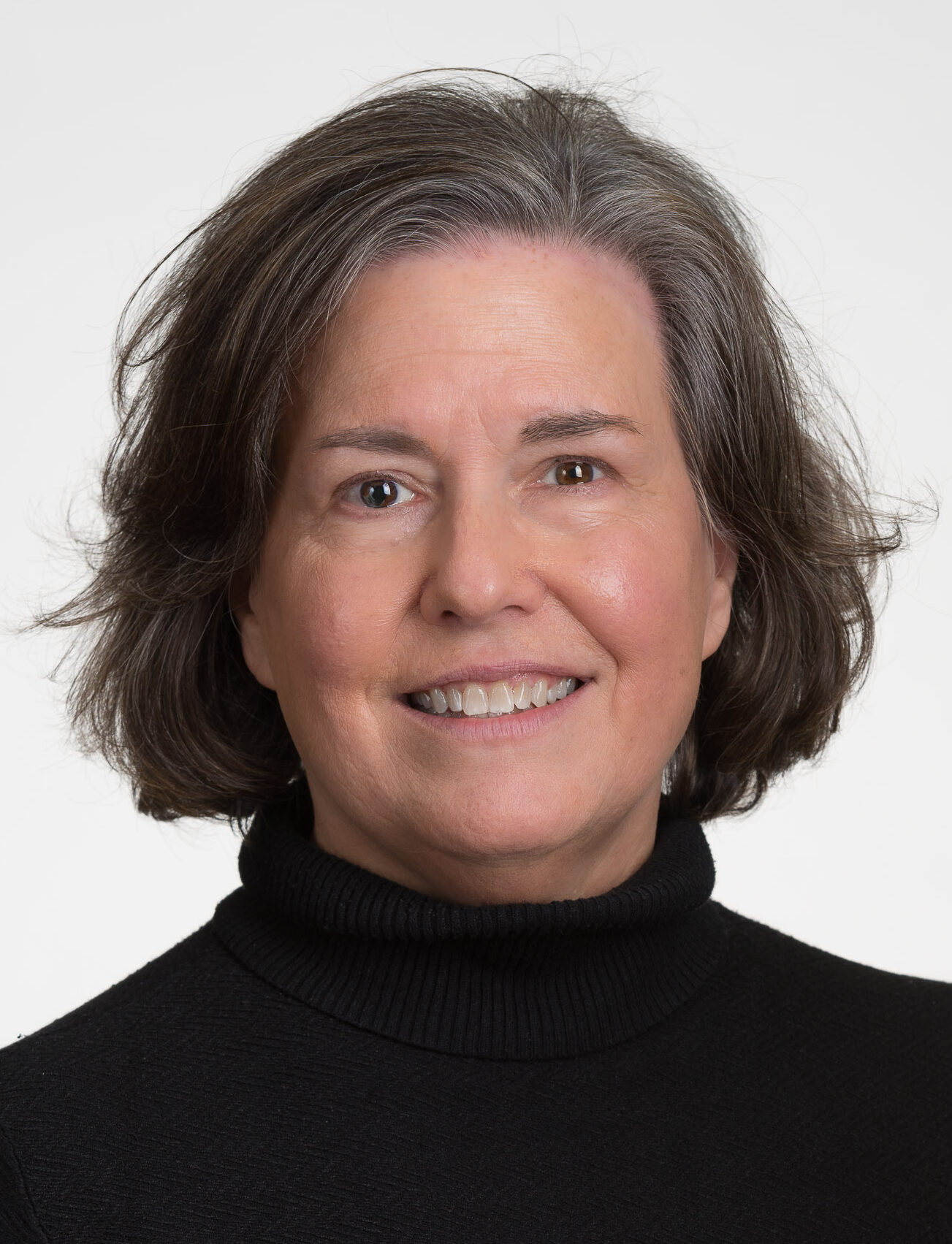
Chantal Desmarais
Université Laval
Chantal Desmarais obtained a Master’s degree in speech-language pathology (SLP) from McGill University in Montreal, Canada. She then worked in Ottawa, Vancouver, Madison, Wisconsin, and Quebec City, Canada. She obtained her Ph.D. in 2007 and has since been a professor at l’Université Laval in Québec City. Her teaching and research focus on developmental language disorder (DLD), intervention with children and adolescents who have communication difficulties, and research methodologies that include the participation of young people and the professionals who work with them. She led a team that published ESCALADE, a program for intervention for adolescents with DLD that has received the social innovation award of the provincial SLP regulatory body in 2023.
Designing interventions to support adolescents who have a developmental language disorder: active ingredients and promising solutions
Adolescence is a critical stage for developing autonomy, a broad concept that encompasses abilities related to self-awareness, goal setting and its related action planning, as well as building supportive social networks. While this maturation process is challenging for many, it is particularly complex for youth with Developmental Language Disorder (DLD), as autonomy relies heavily on language skills they often struggle with. To address these challenges, interventions must integrate evidence on language difficulties with research on the transition to adulthood for youth with disabilities.
This presentation will first synthesize the literature on the school achievement and relational challenges faced by adolescents with DLD. It will then draw on current research regarding transition support for youth with disabilities, highlighting promising practices implemented in Europe and North America. These interventions will be analyzed to identify the active ingredients that contribute to their success.
Two key messages will guide this presentation. First, it is of utmost importance to foster autonomy in youth with DLD which requires explicit interventions that promote self-awareness and the mastery of communication strategies. Second, creating a supportive school environment and ensuring effective interprofessional collaboration are essential for successful outcomes.
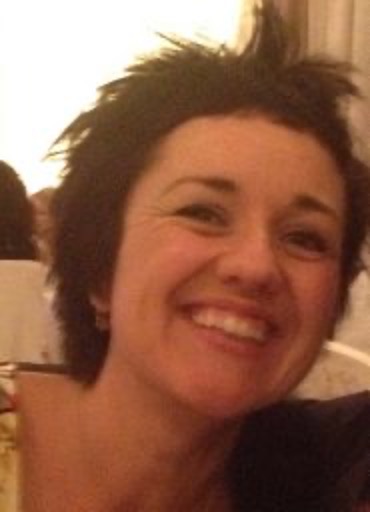
Pauline Frizelle
University College Cork
Pauline Frizelle is a professor at University College Cork and a former speech and language therapy manager, with over 20 years’ experience working with children with a wide range of speech, language and communication needs. In 2008 she was the first speech and language therapist in Ireland to be awarded the Health Research Board fellowship for the therapeutic professions. In 2015 she was awarded an ASSISTid Marie Curie Fellowship to begin the development of an electronic assessment of complex syntax at the University of Oxford. She has since built on this work through a Health Research Board lead investigator award, comparing assessment methodologies and developing a robust and engaging assessment of complex syntax. Pauline is particularly interested in collaborative research projects with clinicians in the community; in the development of robust, theoretically- driven interventions, for children from areas of social disadvantage; and in the use of AI to enhance the development of therapeutic resources. She has received a 1.3 million Definitive Intervention Feasibility award (DIFA), to complete a full definitive trial on the Happy Talk programme and a 2.5 million award to lead a programme of research to develop consensus on reporting guidelines to be used in language intervention studies, for children with or at risk for (D)LD.
What makes language interventions work – exploring the active ingredients?
Despite considerable growth in intervention studies for children with or at risk for Developmental Language Disorder (D)LD, current reporting limits the implementation of effective interventions in the real world; results in significant research waste; and has negative ethical and economic implications.
In this keynote Professor Frizelle will outline a programme of research aimed at ensuring, that interventions to support language and communication deliver maximum benefit for children with or at risk for developmental language disorder (D)LD. This work will inform the development of a set of internationally accepted reporting guidelines that will a) specify the intervention characteristics, participant characteristics and outcomes in children’s oral language intervention studies b) reflect the perspectives of all relevant stakeholders c) enable translation of research into practice through comprehensive training and d) maximise the potential for meta-analysis and international collaboration.
This key note will focus specifically on intervention characteristics – including findings from a number of systematic reviews synthesizing the research evidence in relation to what active ingredients are effective; outlining how the active ingredients of interventions are currently reported and classified; specifying the development of a comprehensive list of active ingredients; and describing the E-Delphi consensus process regarding how we label, describe and classify the active ingredients of oral language interventions.
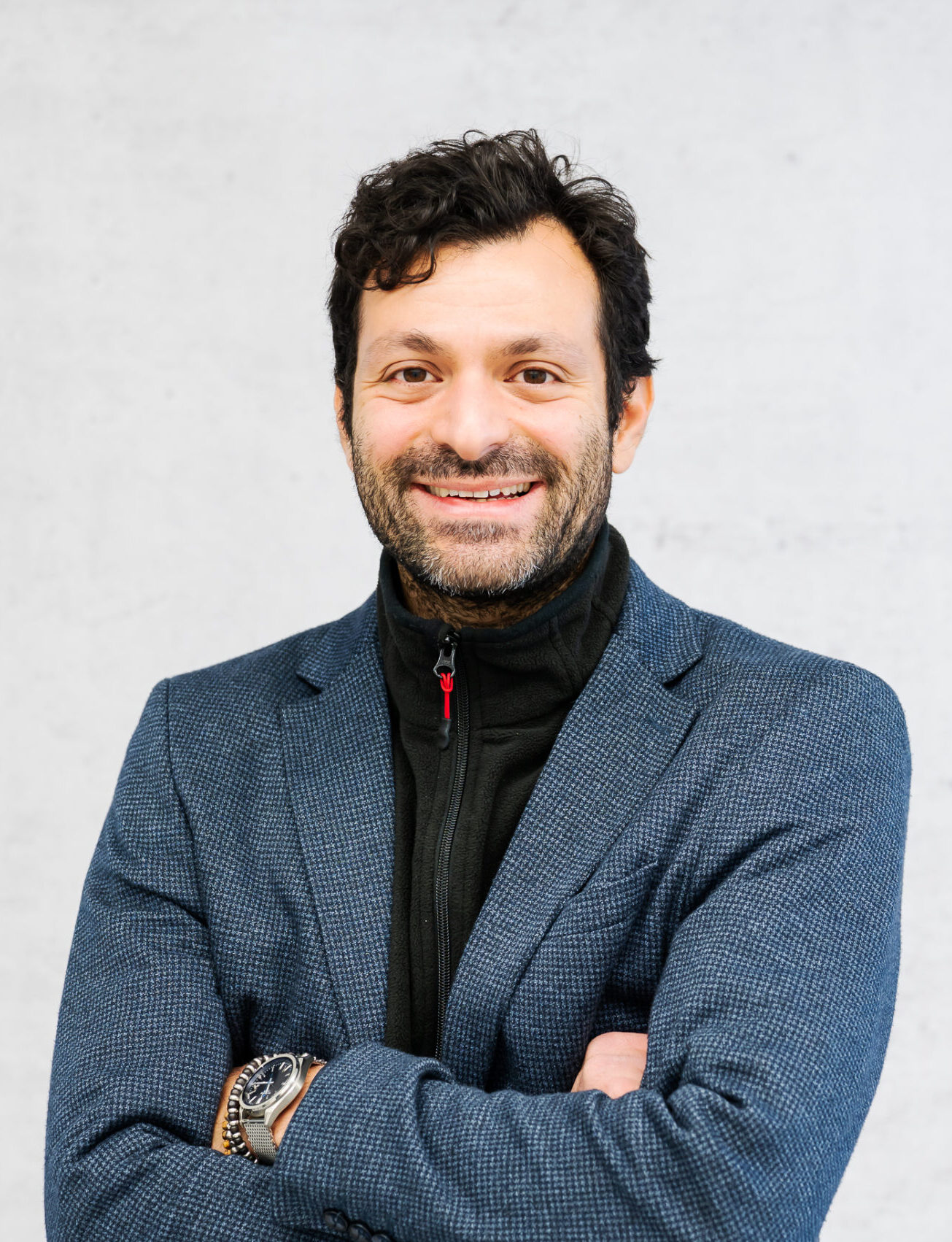
Taha Ertuğrul Kuzu
Pädagogische Hochschule Schwäbisch Gmünd
Jun.-Prof. Dr. Taha Ertuğrul Kuzu hat von 2008 bis 2014 Grundschullehramt (mit den Fächern Deutsch und Mathematik) an der Technischen Universität Dortmund studiert (Bachelor of Arts; Master of Education). 2014 – 2018 hat er zum Themenkomplex ,Mehrsprachige Verstehensprozesse im Mathematikunterricht am Beispiel der Verstehensprozesse zum Anteilsbegriff‘ geforscht (betreut von Prof. Dr. Susanne Prediger, zum Buch). Von 2018 bis 2020 war er Grundschullehrer im Vorbereitungsdienst und im Jahre 2020 übernahm er eine Postdoc-Stelle an der Westfälischen Wilhelms-Universität Münster in der Arbeitsgruppe von Prof. Dr. Marcus Nührenbörger (mit einem Forschungsschwerpunkt auf prä-algebraisches Denken im Rahmen von Translanguaging-Prozessen und des Einsatzes digitaler Medien). Im Wintersemester 2022/23 war er Vertretungsprofessor am Institut für Didaktik der Mathematik (IDM) der Universität Bielefeld und seit Oktober 2023 ist er Tenure-Track-Professor für Heterogenität in der Primarstufe an der Pädagogischen Hochschule Schwäbisch Gmünd. Seine Forschungsinteressen liegen in der Analyse von Lehr-Lernprozessen im Kontext von a) Heterogenität und Inklusion (mit Fokus auf Translanguaging und Mehrsprachigkeit) sowie b) digitalen Medien (mit Fokus auf die didaktische Implementierung von KI-Systemen/ Large Language Models sowie Lernendenerklärvideos und -podcasts). Methodisch ist er auf qualitativ-rekonstruktive Forschung spezialisiert, insbesondere auf die interpretative Interaktionsanalyse sowie auf Design-Based Research.
,Mehrsprachige Lehr-Lernprozesse – Einblicke in die Potenziale und Herausforderungen der Aktivierung mehrsprachiger Ressourcen im Rahmen von mathematischen Lehr-Lernprozessen‘
In mehrsprachigen Klassenzimmern erweist sich Translanguaging zunehmend als zentraler Ansatz, um die sprachlichen Ressourcen von Kindern im (Mathematik-)Unterricht produktiv zu nutzen. Der Vortrag gibt zunächst einen theoretischen Einblick in Translanguagingprozesse mit besonderem Fokus auf den Mathematikunterricht in der Grundschule. Im Zentrum stehen sprachübergreifende Verstehensprozesse, die anhand empirischer Daten aus einem qualitativ-interpretativen, fachdidaktischen Entwicklungsforschungsprojekt rekonstruiert werden. Dabei rückt auch der Einsatz digitaler Medien als unterstützendes Instrument in den Fokus, z. B. in Form mehrsprachiger Lernenden-Podcasts oder KI-gestützter Tools für dynamische Übersetzungsprozesse. Digitale Medien eröffnen neue Gestaltungsspielräume, um sprachlich heterogene Lernendengruppen differenziert zu fördern und mehrsprachigen Kindern einen aktiv-selbstbestimmten sowie sprachlichen-ganzheitlichen Zugang zu ihren Sprachressourcen im Rahmen von Lernprozessen zu ermöglichen. Ziel des Beitrags ist es, sowohl forschungsbasierte Einblicke als auch praxisrelevante Impulse für die Weiterentwicklung eines mehrsprachigkeitsorientierten (Mathematik-)Unterrichts zu geben.